

Last Updated on September 30, 2026
There are a lot of fun things to do in Napa Valley. Napa Valley turns wine tasting into a full day of movement, landscape, and conversation.
Tours range from private car itineraries that stop at three or four carefully chosen estates to specialised outings that add caves, food pairings, or even a morning in a hot air balloon.
The valley’s compact size makes it possible to move between different appellations without long drives, yet the variety of soils and microclimates keeps each stop distinct.
A well-planned tour balances structured tastings with time outdoors and enough flexibility to linger when a particular wine or view holds attention.
Most visitors begin with the wines themselves, but the strongest days include more than the glass. Walking through a vineyard before the tasting, sitting in a cool cave lined with barrels, or pairing small plates prepared on site all deepen the experience.
Fun Things To Do On Napa Valley Wine Tours Besides Tasting – Price & Time Compared 2026
Fun Things To Do On Napa Valley Wine Tours Besides Tasting – Price & Time Compared (2026)
| Fun Experience | Price 2026 | Time | Best For |
|---|---|---|---|
| Rydables Animal Scooter Tour | $65 pp | 1.5 hrs | Groups / Bachelorette |
| Sidecar Tour + Picnic | $199 pp | 6.5 hrs | Couples |
| Falconry + Rosé at Bouchaine | $95 pp | 1 hr | Family / Photos |
| Wine Train Afternoon Tea | $165 pp | 3 hrs | Girls Trip |
| Castello di Amorosa Castle | $40-$80 | 2 hrs | First-timers |
| Hot Air Balloon + Wine | $300 pp | 4 hrs | Anniversary |
Napa Valley Fun Wine Tour Route Beyond Tasting – Downtown to Carneros Map
Get Directions →Things to do In Napa wine tours in Napa Valley
Exploring Wine Caves and Underground Cellars
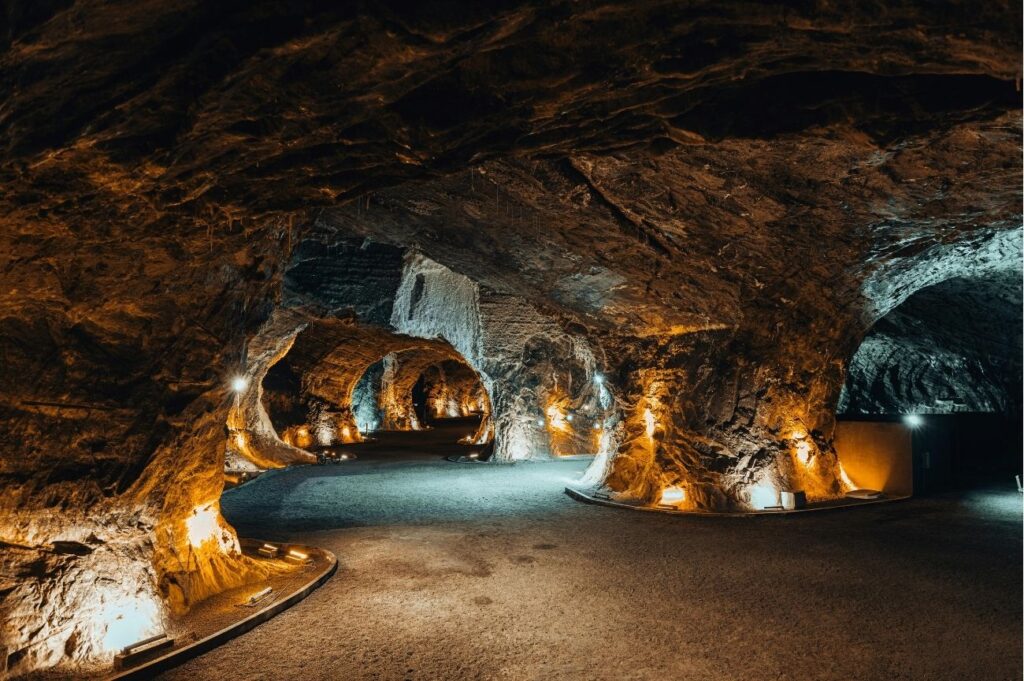
Several Napa estates have carved extensive cave systems into the hillsides. These spaces stay naturally cool and quiet, and they offer a different atmosphere from the usual tasting room.
Tours often begin with a walk through the tunnels where barrels age in dim light. Guides explain the temperature and humidity advantages of the caves and how the environment shapes the wine over time.
At the end of the walk a seated tasting usually takes place in a private chamber or at a barrel-side table. Some producers pair the wines with cheese or simple bites that highlight the structure of the Cabernet or the texture of the Chardonnay.
The combination of the underground setting and the focused tasting creates a memorable contrast with the bright valley outside.
Guests who appreciate history and craft often find these cave experiences among the most distinctive parts of a Napa visit.
Private Tastings with Food Pairings
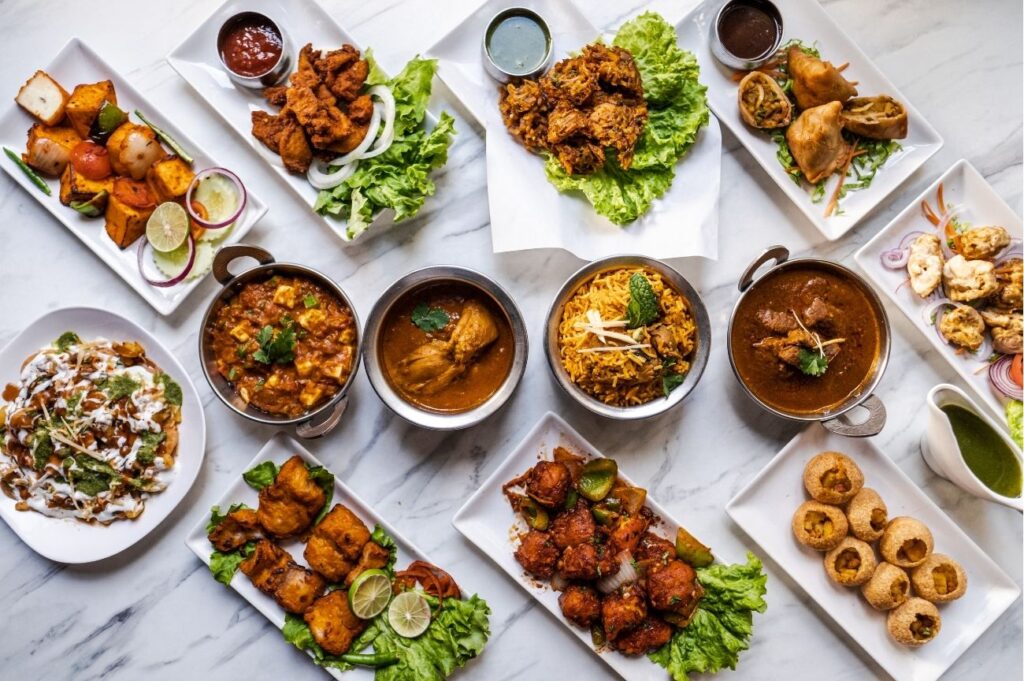
Many wineries now treat food as an essential part of the tasting rather than an optional extra. Private or small-group pairings bring out seasonal ingredients that match the wines being poured.
A kitchen-side tasting might include four or five small plates prepared while guests watch, each matched to a different bottle. Other estates set the table on a terrace overlooking the vines and serve a more formal sequence of courses.
These pairings slow the pace and give the wines a proper context. A structured Cabernet sits differently beside grilled meat or aged cheese than it does on its own.
A brighter white or rosé finds new dimensions with lighter, fresher flavours. Because the group is small, the host can adjust the conversation to the guests’ interests, whether that means technical details of the vintage or simple stories about the property.
The result feels closer to a shared meal than a standard pour-and-move-on tasting.
Read Also:
22 Best & Fun Things To Do In Sugar Land (TX)
fun things to do on cherry blossom tours in Kyoto
Vineyard Walks and Estate Exploration
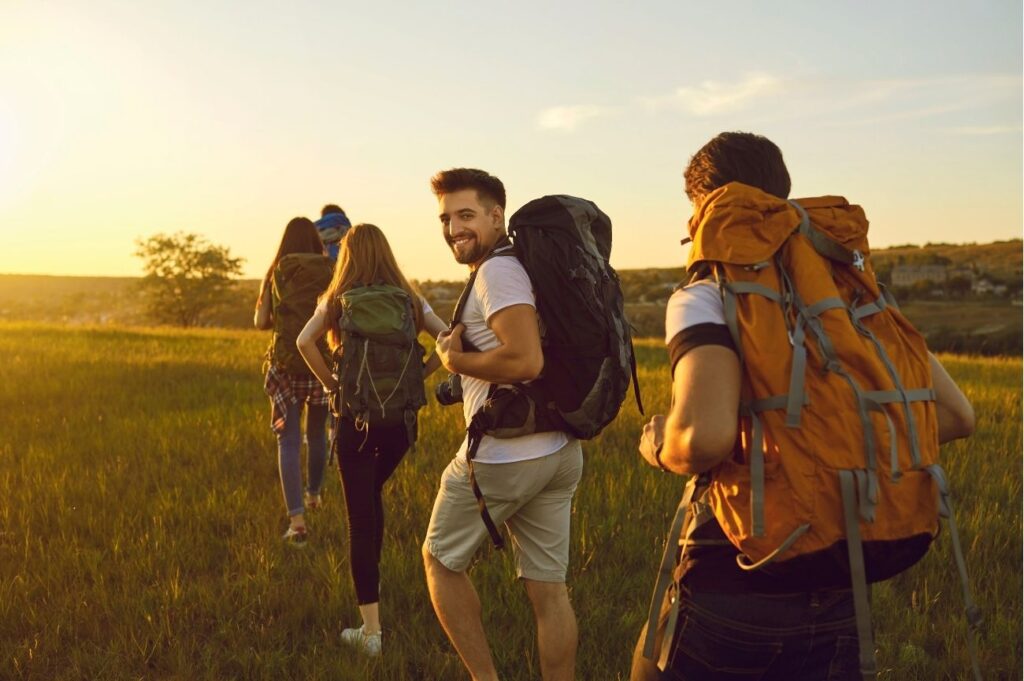
Some of the most rewarding tours begin outdoors. A guided walk through the vines before the tasting shows how the rows are oriented, how the soil changes across a single hillside, and how the season currently looks on the ground.
The physical act of walking among the plants connects the finished wine to its origin in a direct way. Certain estates add ATV or utility-vehicle tours for higher ground and wider views.
Others keep the experience on foot and end at a shaded picnic table or a quiet corner of the property for the tasting itself.
These outdoor segments work especially well in the morning when the light is soft and the temperature is still comfortable. Guests leave with a clearer sense of place that carries into the rest of the day.
Hot Air Balloon Mornings Over the Valley
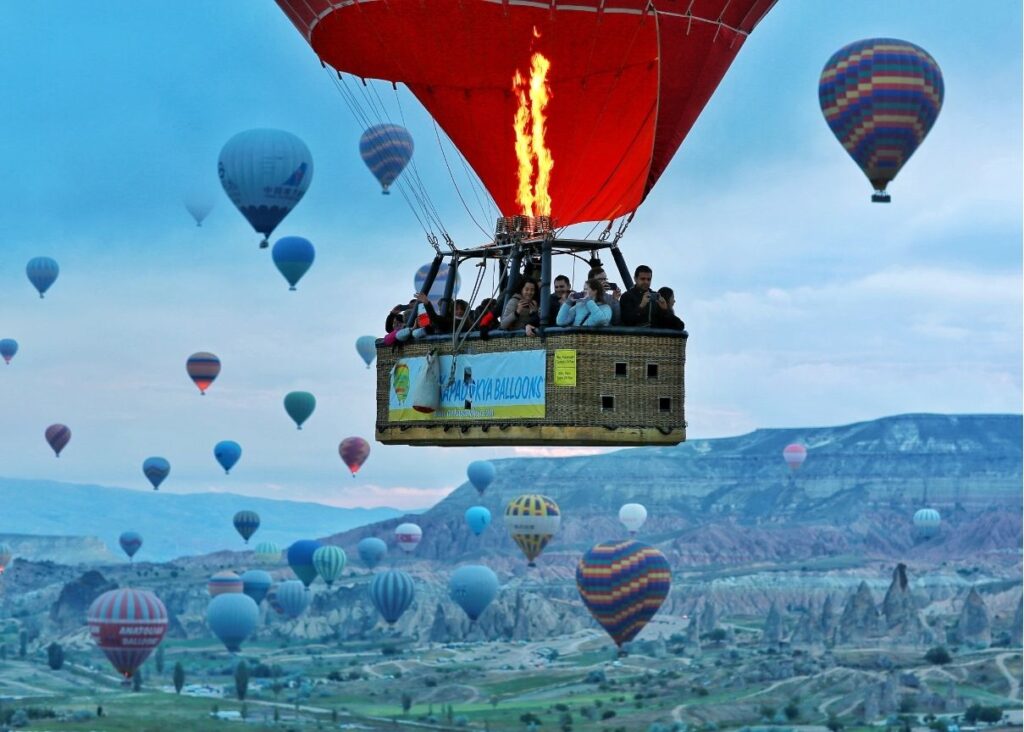
An early start in a hot air balloon offers a completely different perspective. Flights usually lift off near Yountville or central Napa just after sunrise and drift over the vineyards for about an hour.
From above the pattern of the valley becomes clear: the orderly rows, the darker shapes of the mountains, the occasional flash of a winery roof.
Many balloon operators pair the flight with a post-landing breakfast or a transfer into a wine tasting later in the morning. The combination of the aerial view and the subsequent ground-level visits creates a full arc to the day.
The experience suits guests who want one distinctive activity before settling into the more traditional rhythm of tastings and lunch.
Bicycle Tours Through the Vineyards
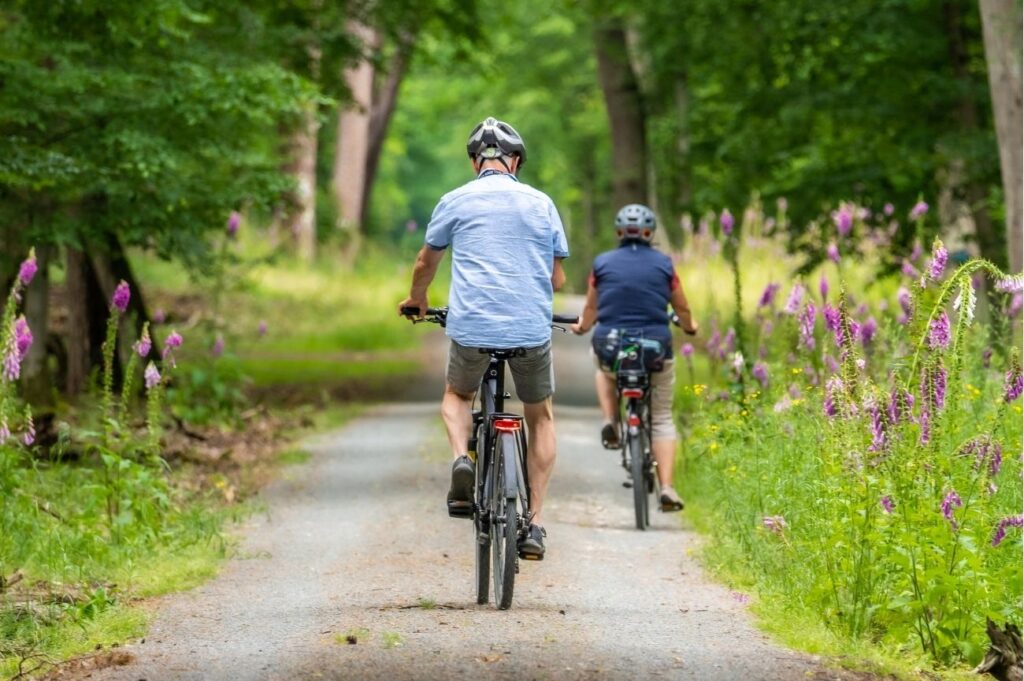
Guided bike tours, including electric-assist options, provide another active way to move between estates. Routes often follow quieter roads and the Napa Valley Vine Trail, stopping at two or three wineries along the way.
The physical movement between tastings keeps the day from feeling static, and the slower pace allows more attention to the landscape.
Picnic lunches are common on these outings. A guide may spread a simple meal at a scenic stop so that the group can eat and talk without the formality of a restaurant.
The combination of cycling, tasting, and an outdoor meal works well for guests who prefer to stay in motion and who enjoy the social side of a small group.
The Napa Valley Wine Train and Other Moving Experiences
The Wine Train offers a different format entirely. Guests board a restored train for a multi-hour journey up the valley and back, with multi-course meals paired to Napa wines served at the table.
The scenery passes outside the windows while the focus stays on the food and the pours. It is a more passive experience than a stop-and-taste itinerary, yet it remains popular for its comfort and the continuous sense of travel through the landscape.
Other moving options include private car or small-van tours that handle all logistics. The driver and guide manage the schedule, the reservations, and the route so that guests can focus on the wines and the conversation.
These private formats allow last-minute adjustments if a particular estate proves especially interesting or if the group prefers more time at lunch.
Balancing Iconic Names with Quieter Producers
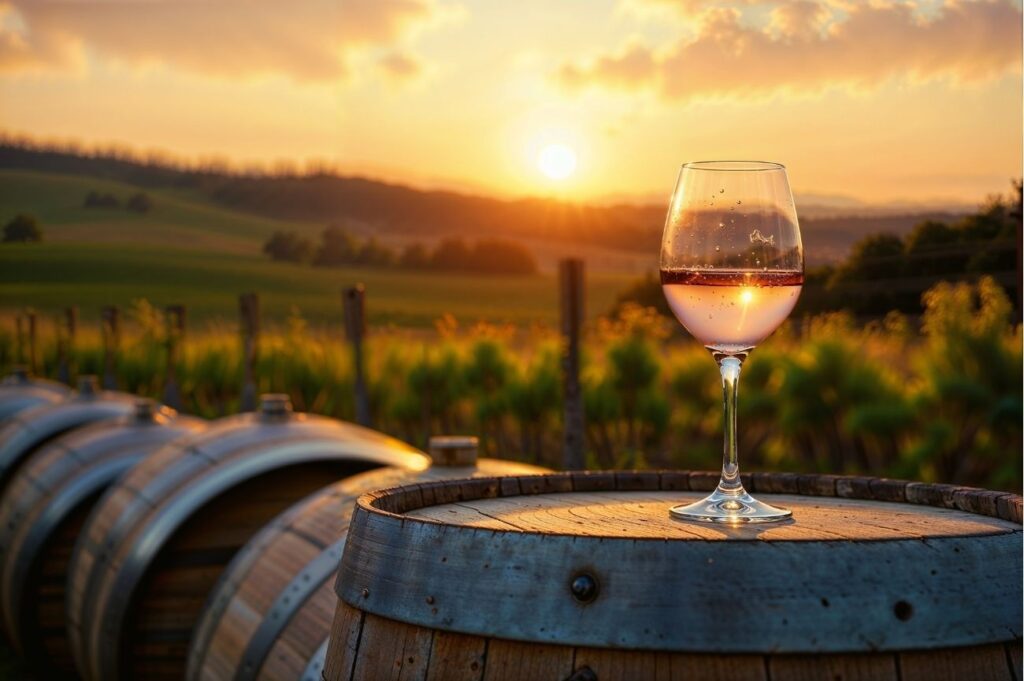
A thoughtful tour mixes well-known estates with smaller or less visited properties. The famous names provide a sense of the valley’s reputation and often deliver polished experiences.
The quieter stops frequently offer more personal interaction and a chance to taste wines that rarely appear on restaurant lists. Guides who know the region well can calibrate the mix according to the group’s preferences and experience level.
Timing also matters. Morning visits tend to feel fresher and less crowded. Afternoons can be reserved for longer seated experiences or for a final stop that includes a view of the valley in softer light.
Building in enough time between appointments prevents the day from becoming a sequence of rushed pours.
Practical Touches That Improve the Day
Comfortable clothing, layers for changing temperatures, and a willingness to drink water between tastings all help. Most private tours handle transportation, so guests do not need to worry about driving.
Reservations remain essential, especially for cave experiences, food pairings, and popular weekend slots. Clear communication with the tour organiser about preferred wine styles, group size, and any dietary needs allows the day to be shaped more precisely.
The strongest Napa wine tours leave room for both structure and spontaneity. They deliver the expected pleasures of good wine in a beautiful setting while adding enough variety caves, food, movement, elevation to keep the day feeling lively and personal.
Frequently Asked Question
What are fun things to do on Napa Valley wine tours besides tasting?
You can ride Rydables scooters downtown ($65), try falconry with rosé at Bouchaine ($95), ride a sidecar with picnic ($199), do Wine Train tea ($165), visit Castello di Amorosa castle ($40-$80), or go hot air ballooning ($300). Full price & time table + map above.
How much do fun Napa Valley wine tour experiences cost in 2026?
They cost $40-$300 pp in 2026. Castle is $40, scooters $65, falconry $95, Wine Train $165, sidecar $199, balloon $300. See comparison table for details.
What is the advantage of a private wine tour over a larger group outing?
Private tours allow full control over the itinerary, pace, and choice of wineries. They also make it easier to include specialised experiences such as food pairings or vineyard walks and to adjust on the day if something proves especially interesting.
Can wine tours be combined with other activities in Napa Valley?
Yes. Popular combinations include a morning hot air balloon flight followed by tastings, a guided bike ride between estates, or a Wine Train journey that incorporates a multi-course meal. These additions create a more varied day without diluting the focus on wine.
When is the best time of year for wine tours in Napa Valley?
Spring and autumn offer mild weather and beautiful vineyard colours. Summer is lively and fully open but can be warmer. Winter is quieter and still fully operational for most tasting rooms and cave experiences. Harvest in early autumn adds extra energy if timing allows.
Conclusion
Wine tours in Napa Valley succeed when they treat the day as more than a sequence of pours. Cave walks, thoughtful food pairings, vineyard paths, and occasional shifts in perspective whether from a balloon, a bicycle, or a train keep the experience varied and grounded in the place itself.
Guests who choose a format that matches their preferred pace and interests usually leave with both a clearer sense of the valley’s wines and a collection of small, specific memories from the landscape and the people who work it.
The combination of excellent wine and the simple pleasure of being outdoors in a beautiful setting continues to make Napa one of the more rewarding places to spend a day tasting.