



Last Updated on September 30, 2026
Kyoto in spring becomes a city of soft pink and pale white. Cherry blossom season, usually peaking in late March or early April, draws people to temples, parks, and riverside paths where the trees create temporary canopies of colour.
Guided tours during this period help visitors move between the best spots without wasting time on logistics or getting stuck in the heaviest crowds.
There are a lot of fun things to do on cherry blossom tours. According to JNTO, Kyoto’s cherry blossom season peaks from late March to early April. Check their official 2026 cherry blossom guide here.
The most rewarding outings combine classic viewing places with quieter corners, evening illuminations, and simple ways to slow down beneath the trees.
Quick Cost & Booking Guide: Cherry Blossom Tours in Kyoto 2026
| Fun Thing To Do | Where in Kyoto | Cost (2026) | Book Ahead? |
|---|---|---|---|
| Fushimi Jikkokubune Boat Ride under sakura | Fushimi Canal | $25 / 2,500 JPY | YES – 2 weeks before |
| Kimono Rental + Photoshoot | Gion / Shirakawa River | $40-$70 / day | Yes – 1 week before |
| Rickshaw Ride through cherry tunnel | Arashiyama / Gion | $50 for 30 mins | No – walk-up |
| Night Illumination + Tea Ceremony | Nijo Castle / Maruyama Park | $15 entry | Yes for tea ceremony |
| Sagano Romantic Train | Arashiyama to Kameoka | $8 / 880 JPY | YES – sells out fast |
| Hanami Food Tasting Dinner | Demachiyanagi | $35 / 5,000 JPY | Yes – 3 days before |
Things To Do In cherry blossom tours in Kyoto
Walking the Philosopher’s Path in Soft Light
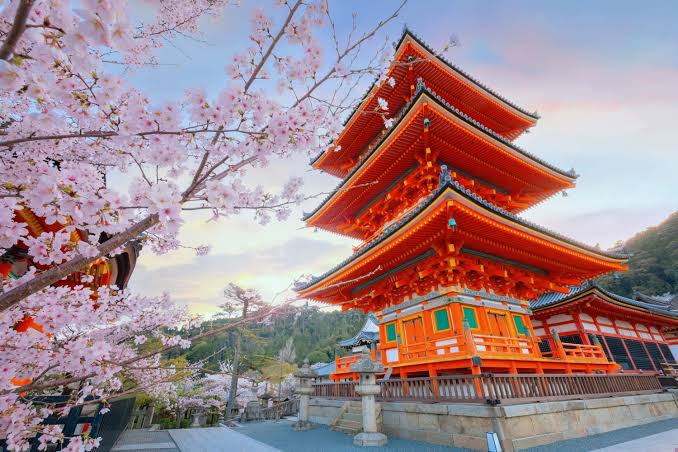
The Philosopher’s Path runs for about two kilometres beside a narrow canal between Ginkaku-ji and the area near Nanzen-ji. In full bloom the path becomes a long tunnel of cherry trees.
The water reflects the blossoms, and the stone walkway stays relatively level and easy to follow. Early morning is the quietest time. The light is gentle, the air is cool, and the number of people is still manageable.
A guided walk along the path often includes short detours to nearby temples or smaller side gardens. The guide can explain the history of the route and point out details that might otherwise be missed in the flow of visitors.
Stopping on one of the small bridges to look both ways along the canal gives a sense of the scale of the planting. The experience works best when there is no pressure to cover every metre quickly.
Guests who linger for a few extra minutes at a particularly full tree often remember those pauses more clearly than the continuous walking.
Evening Illuminations and Yozakura
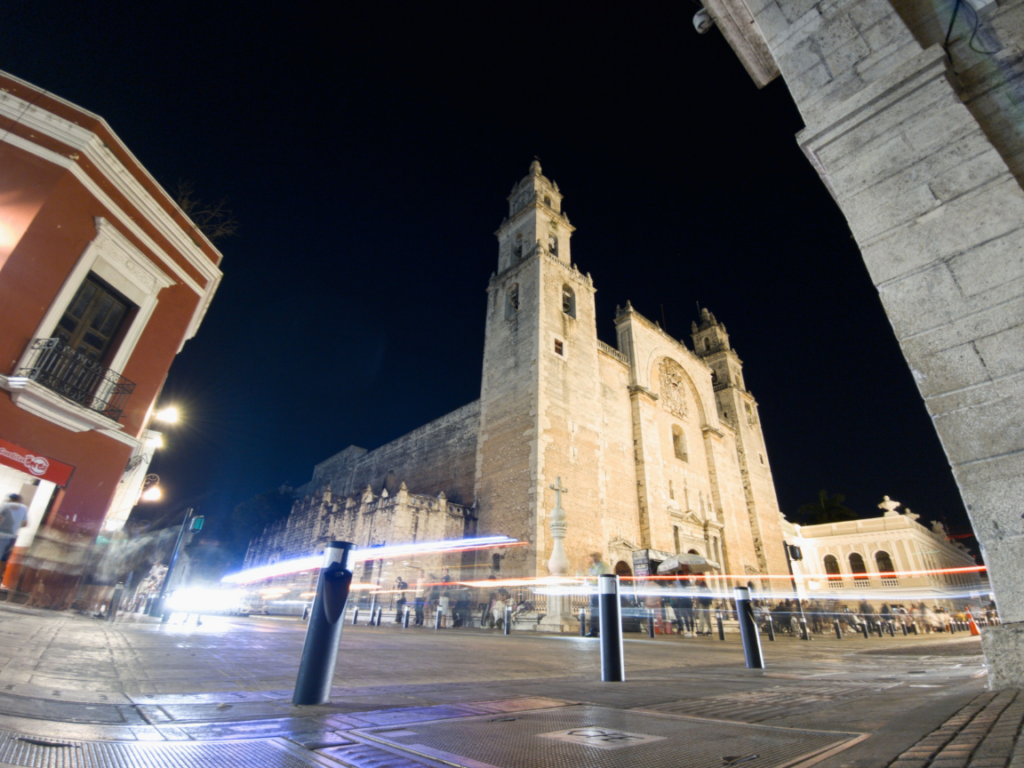
After dark the character of the blossoms changes. Several major sites light their trees for a limited period during the peak season. Maruyama Park in Gion is the most famous.
Its large weeping cherry tree, known as the Gion Shidare-zakura, becomes a soft glowing centrepiece. People gather on the grass and along the paths, and the atmosphere turns festive yet calm.
Nijo Castle also offers evening openings with illuminated grounds and hundreds of trees. The castle walls and the soft light on the petals create a different mood from daytime viewing.
Kiyomizu-dera lights its hillside trees and the famous wooden stage, giving wide views over the city with blossoms in the foreground.
A guided evening tour can link one or two of these sites without the need to navigate transport and tickets independently. The cooler air and the quieter feeling of the streets after sunset make these hours especially pleasant.
Private Hanami Picnics Beneath the Trees
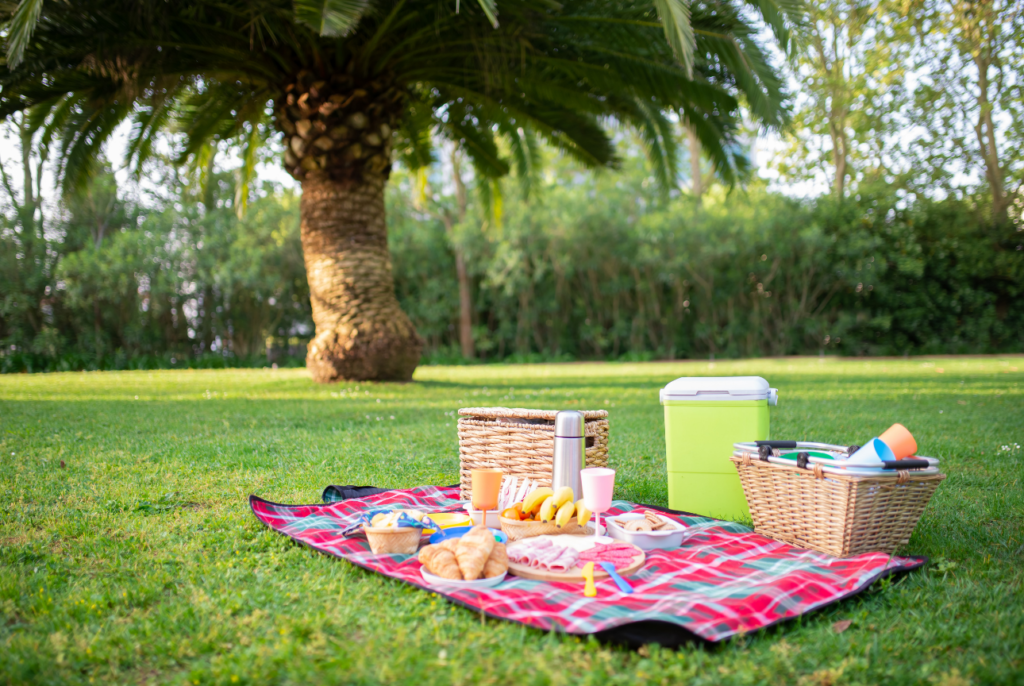
Hanami, the traditional practice of sitting under cherry trees with food and drink, remains one of the most direct ways to enjoy the season.
Private tours often arrange a simple picnic in a less crowded corner of a park or along the Kamogawa River. The guide may help select seasonal snacks, local sweets, and drinks from nearby shops before leading the group to a suitable spot.
Sitting on a mat with the blossoms overhead turns the viewing into something more than standing and walking. Conversation slows.
The sound of the river or the park becomes part of the background. Some picnics include a short cultural explanation of hanami customs or a tasting of seasonal items prepared for the occasion.
The private format keeps the group small enough that the experience feels personal rather than public. Guests leave with both the memory of the trees and the simple pleasure of having eaten beneath them.
River Views and Boat Rides in Arashiyama
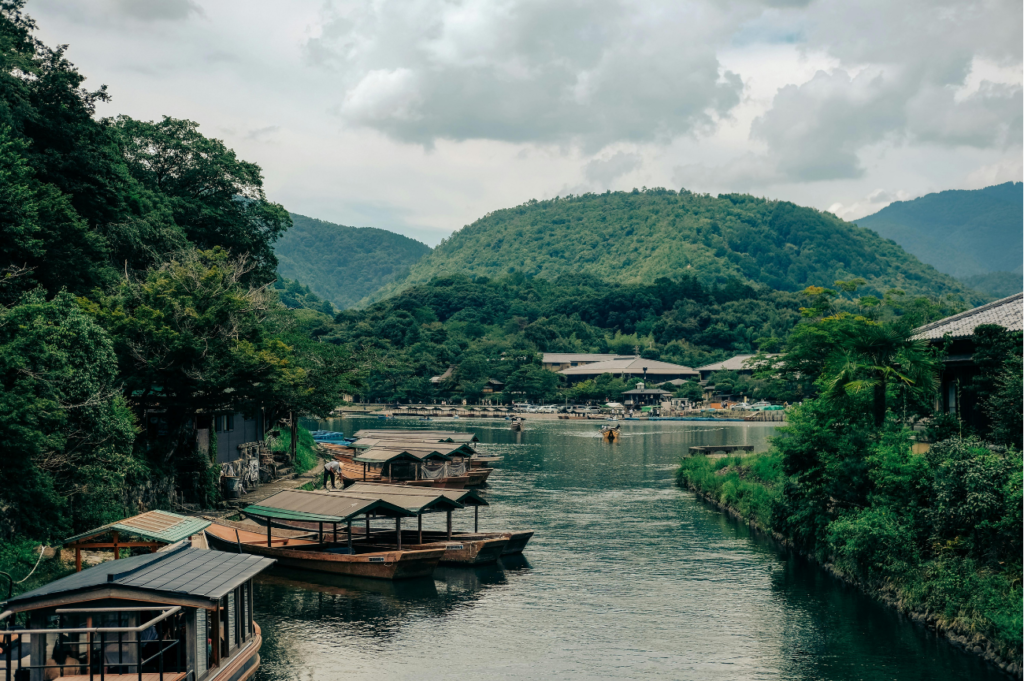
Arashiyama on the western side of the city offers a different setting. The mountains form a backdrop, and the Hozugawa River runs through the district.
A traditional wooden boat ride along the river during cherry blossom season places guests at water level with blossoms on both banks. The journey moves at a gentle pace and gives a continuous view of the trees without the need to walk.
Some tours combine the boat with a short walk through the quieter parts of the Arashiyama area or a visit to Tenryu-ji Temple, whose garden also holds cherry trees.
The combination of water, mountains, and blossoms creates a broader landscape than the more enclosed paths of central Kyoto. Early departures help avoid the heaviest crowds that gather later in the day around the bamboo grove and the main bridge.
Exploring Nijo Castle and Other Historic Grounds
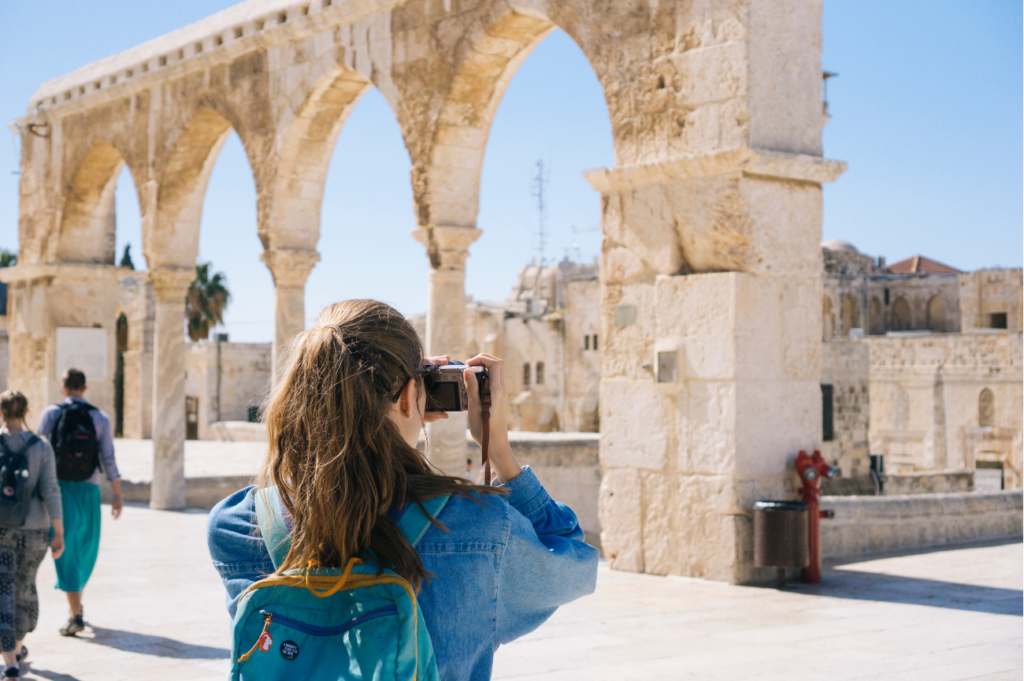
Nijo Castle’s grounds contain a large number of cherry trees of different varieties, so the blooming period stretches longer than at single-species sites.
The castle itself provides historical context, and the gardens offer open lawns and framed views of the blossoms against the architecture. Daytime visits allow time to walk the paths at leisure. Evening illuminations, when available, add another layer.
Other temple and shrine grounds across the city follow a similar pattern. Daigo-ji, Kiyomizu-dera, and smaller sites each contribute their own arrangement of trees and architecture.
A guided tour can select two or three that complement one another rather than attempting to see every famous name in one day.
The guide’s knowledge of opening times, less obvious viewpoints, and current crowd levels keeps the itinerary practical.
Quieter Paths and Lesser-Known Corners
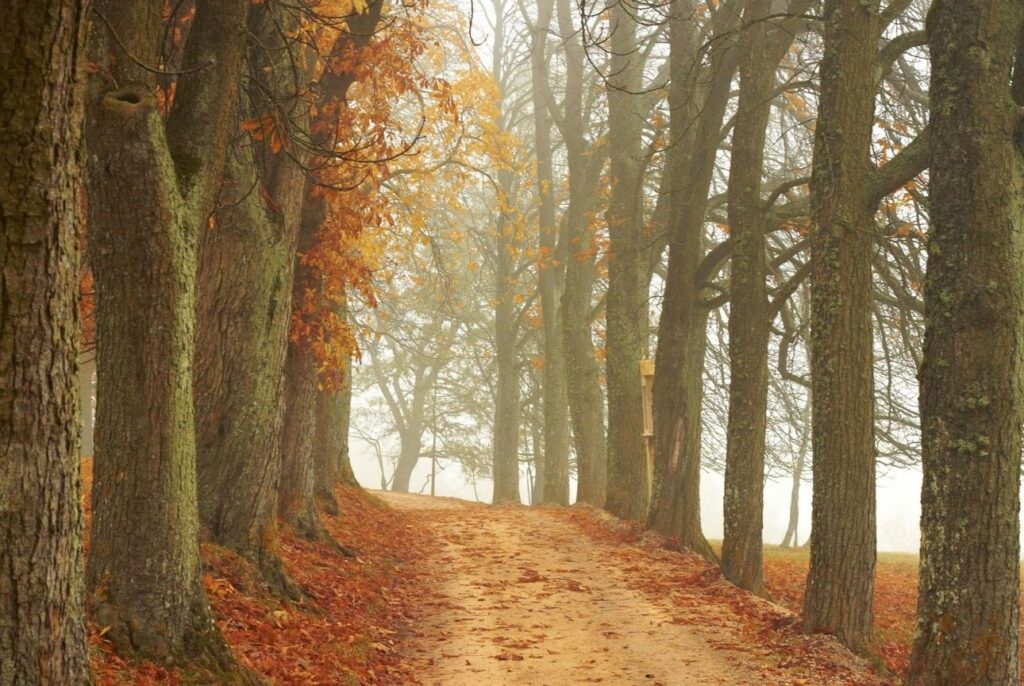
Even during peak season it is possible to find stretches of cherry trees with fewer people. Some tours deliberately include northern or outer areas of the city, canal paths, or smaller parks that locals favour.
These stops provide breathing room between the more popular sites and often deliver equally beautiful displays. The contrast between a busy central park and a quieter canal-side walk makes the overall day feel more balanced.
Guides who know the city well can adjust the route according to the exact stage of the bloom and the weather. A sudden shower may send the group under cover for tea; a clear morning may encourage an earlier start.
This flexibility is one of the practical advantages of a guided format during a season when conditions change quickly.
Combining Daytime Viewing with Evening Atmosphere

A full cherry blossom day in Kyoto often works best when it mixes active walking with slower periods. Morning on the Philosopher’s Path or at a temple, a midday picnic or rest, and an evening illumination create a natural rhythm.
Some tours add a short rickshaw ride, a tea stop, or a visit to a garden that remains relatively calm. The goal is not to collect as many locations as possible but to spend enough time at each one for the setting to register.
Private arrangements allow the schedule to stretch or contract according to energy levels and interest. Guests who prefer more photography time can linger.
Those who want to keep moving can cover a wider area. The presence of a guide removes the need to manage tickets, transport, and navigation while the blossoms are at their best.
Practical Considerations for the Season
Cherry blossom season in Kyoto is short and popular. Full bloom typically lasts only a week or so, though early and late varieties extend the overall window.
Comfortable shoes, layers for changing temperatures, and a willingness to start early improve the experience. Tours that include transport between districts save time and energy. Clear communication with the guide about preferred pace and any mobility needs helps shape a workable day.
The season rewards those who accept that perfect solitude is rare at the most famous spots and who look instead for moments of calm within the larger flow of visitors.
A well-planned tour creates those moments by balancing the iconic with the quieter and by leaving space simply to stand and look.
Frequently Asked Question
Do I need to book cherry blossom tours in Kyoto in advance for 2026?
Yes for boat rides and tea ceremonies during peak bloom (last week March – first week April). Rickshaw and river walks can be walk-up.
Are private tours better than joining larger groups during sakura season?
Private or very small-group tours offer more flexibility with timing and route. They make it easier to avoid the densest crowds, linger at preferred spots, and include a picnic or evening illumination without rigid schedules. Larger groups can still be enjoyable but allow less room for adjustment.
What should visitors wear and bring for a cherry blossom day?
Comfortable walking shoes, light layers, and a compact umbrella or light rain jacket are practical. A small bag for water and any picnic items helps. Soft colours photograph well against the blossoms, though this is a matter of personal preference rather than requirement.
What is the most fun thing to do on cherry blossom tours in Kyoto that tourists miss?
The evening Hanami food tasting in Demachiyanagi – you get outdoor dinner under illuminated sakura, not just viewing.
How crowded do the main spots become and how can tours help?
Popular places such as the Philosopher’s Path, Maruyama Park, and Arashiyama attract large numbers during peak bloom. Guided tours that start early, use less obvious routes, or include lesser-known corners reduce the impact of the crowds and create more breathing room throughout the day.
Conclusion
Cherry blossom tours in Kyoto succeed when they treat the season as a short-lived atmosphere rather than a checklist of locations.
Walking the Philosopher’s Path in the early light, sitting beneath the trees for a simple picnic, riding a boat through Arashiyama, and returning after dark for illuminated views each add a different quality to the experience.
The combination of guided knowledge, flexible pacing, and time simply spent looking produces days that feel connected to the place.
Guests who choose a thoughtful itinerary and allow the blossoms to set the rhythm usually leave with a clear sense of why this brief season continues to draw people to Kyoto year after year.
