



Last Updated on September 30, 2026
There are fun things to do in New Orleans, and food tours is one of them. New Orleans treats food as a living record of its history. Creole and Cajun traditions, French technique, African influences, and Caribbean seasonings all appear on the same plate.
Food tours turn that complexity into a practical way to move through the city. Walking tours in the French Quarter or Garden District stop at established restaurants, market stalls, and small shops for tastings that add up to a full meal.
Guides share the stories behind the dishes while the group moves from one address to the next. The format keeps the day active, social, and focused on flavour rather than formal dining rooms.
A good food tour in New Orleans balances iconic bites with less obvious stops. Guests sample gumbo, po-boys, muffulettas, and beignets, but they also learn why certain preparations matter and how neighbourhoods shape the cooking.
Private or small-group versions allow more conversation and flexibility with pace. The best outings leave people both satisfied and oriented, with a clearer sense of where to return on their own.
I Tried This: Don’t Just Eat – Do This
🔥 I Tried This: Don’t Just Eat – Do This
On my French Quarter tour last month, I paid $25 extra for the praline-making demo at the candy shop – guide let us flip our own pralines. Way more fun than just tasting. Everyone was filming, not eating. My tip: Ask for the back-room hot sauce tasting at Pepper Palace – it’s free and they let you bottle your own blend for $12. That’s the fun part competitors don’t mention.
Quick Price Reality Check 2026: Most food tours charge $75-$99 just for tasting. The fun extras are cheaper: Cooking demo add-on is $25 not $75, DIY hot sauce bottling is $12 not $30, Second-line parade join-in is $0 with tour, and cocktail shaking class is $35 vs $65 on Bourbon Street. You pay less for more fun when you ask for the hands-on part.
1-page printable: what to ask for, where, and how much to tip
Fun things to do on food tours in New Orleans
French Quarter Walking Tours with Classic Tastings
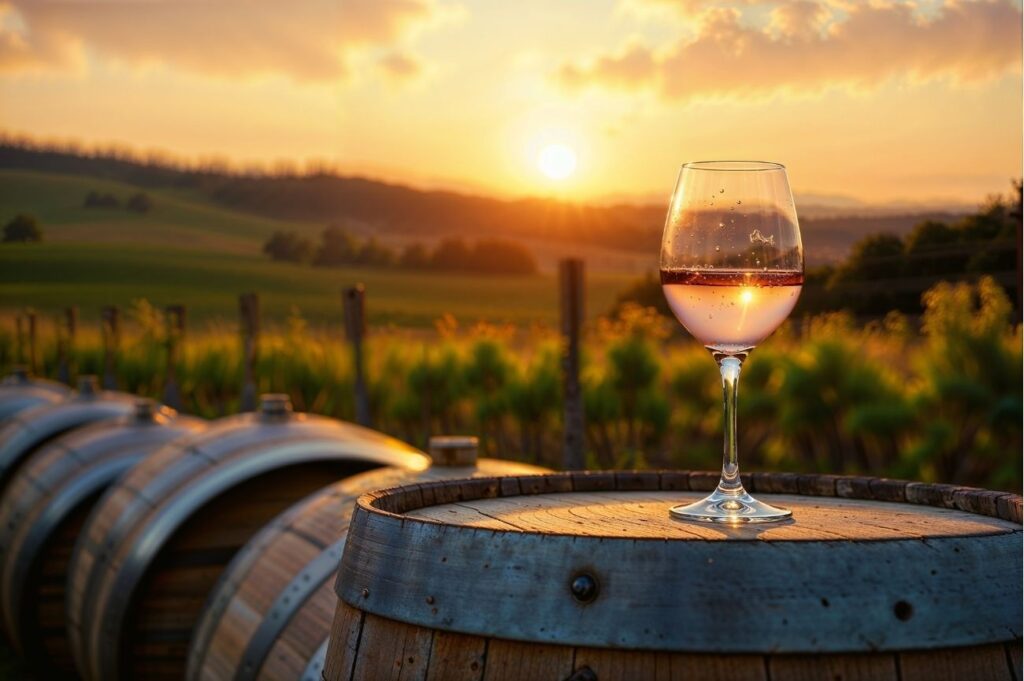
The French Quarter remains the most common starting point. Tours typically last three hours and include five or more stops. Early tastings often feature beignets still warm from the fryer or a cup of chicory coffee.
From there the route moves through side streets to places known for seafood gumbo, chargrilled oysters, or a slice of muffuletta layered with olive salad and Italian meats.
Guides explain the difference between Creole and Cajun cooking as the group walks. They point out historic buildings and market halls that have supplied the city’s kitchens for generations.
The portions are generous enough that most people finish the tour without needing a separate lunch. The combination of movement, history, and steady tasting keeps the experience lively without feeling rushed.
Because the Quarter is compact, the walking distances stay manageable. Comfortable shoes help, and the shade of the older streets provides relief on warmer days.
Private versions of these tours can adjust the sequence or linger longer at a particular stop if the group shows strong interest in one style of cooking.
Garden District Food and Architecture Walks
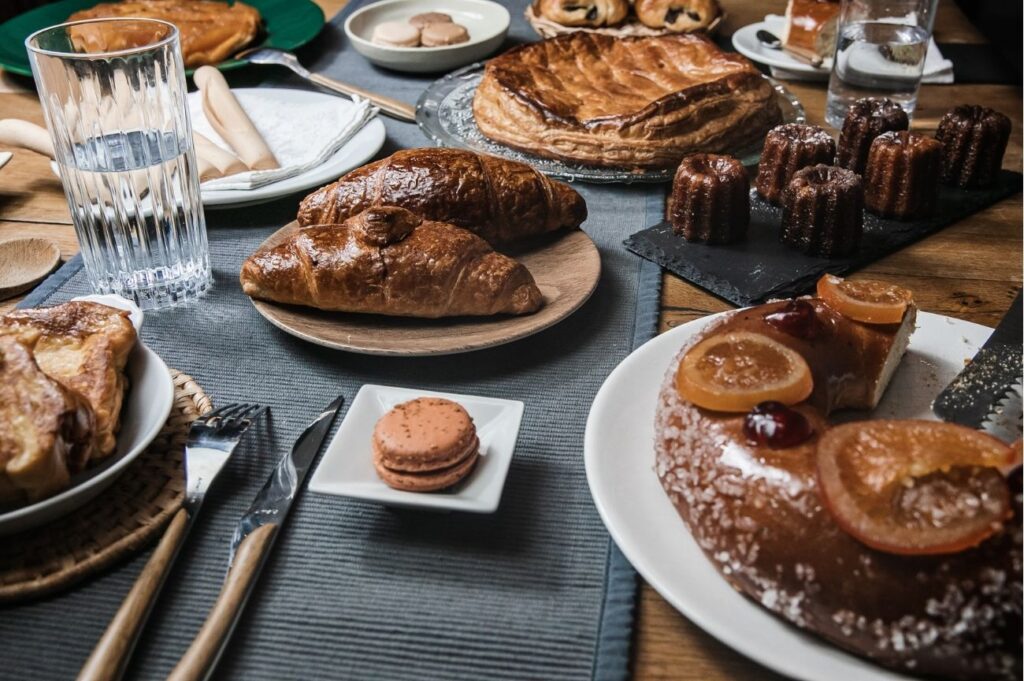
The Garden District offers a different rhythm. Tree-lined streets, historic houses, and a more residential feel create a calmer backdrop for tasting.
Tours here often visit neighbourhood restaurants that serve refined versions of local classics alongside newer interpretations. The food still centres on Louisiana flavours, yet the setting feels less dense than the Quarter.
Guides weave architectural history into the conversation between stops. The result is a dual experience of food and place.
Guests taste while learning how the neighbourhood developed and how its restaurants reflect both tradition and change. These tours suit travellers who want a quieter pace and a broader sense of the city’s residential character.
Some Garden District itineraries include a short stop for a sweet finish, such as a praline or a seasonal dessert. The overall distance remains walkable, and the shade of the live oaks makes the route pleasant even in warmer months.
Cocktail and Food Combinations
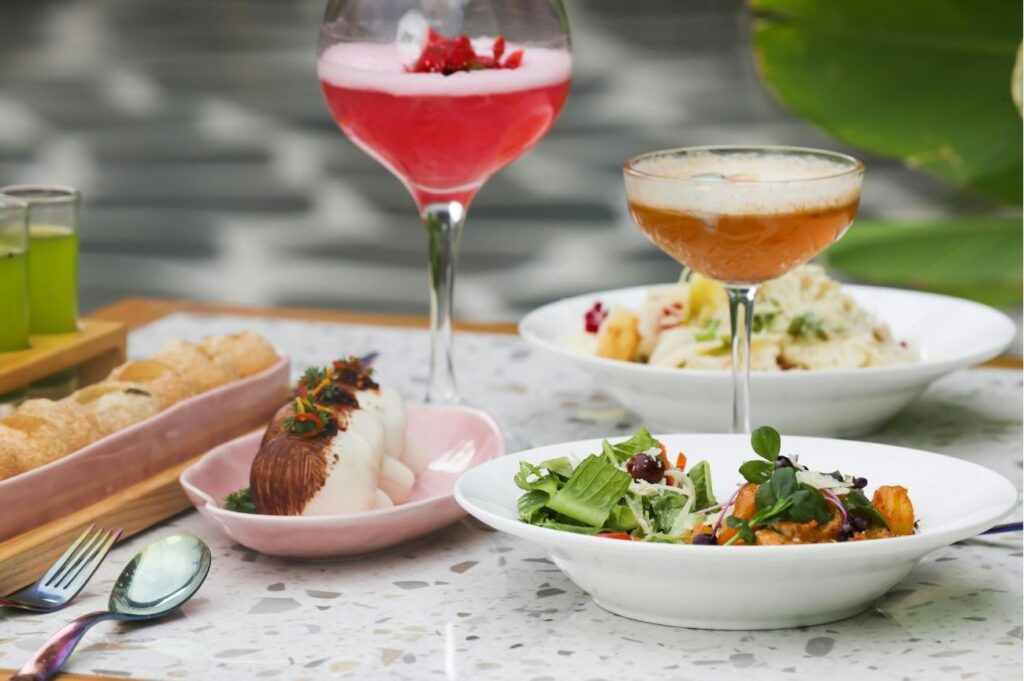
New Orleans claims several classic cocktails as its own. Tours that pair drinks with food create a fuller sensory picture.
A typical outing might begin with a Sazerac or a Pimm’s Cup, then move to a food stop, and continue alternating throughout the afternoon. The drinks are usually smaller pours so that the focus stays on tasting rather than excess.
Guides explain the origins of each cocktail and how it fits into the city’s social history. The food stops provide balance and keep the experience grounded.
These combined tours work especially well in the late afternoon when the light softens and the streets take on a more relaxed atmosphere. Private arrangements can tailor the drink list to preferences or dietary needs.
READ ALSO; fun things to do on wine tours in Napa Valley
Hands-On Cooking Classes
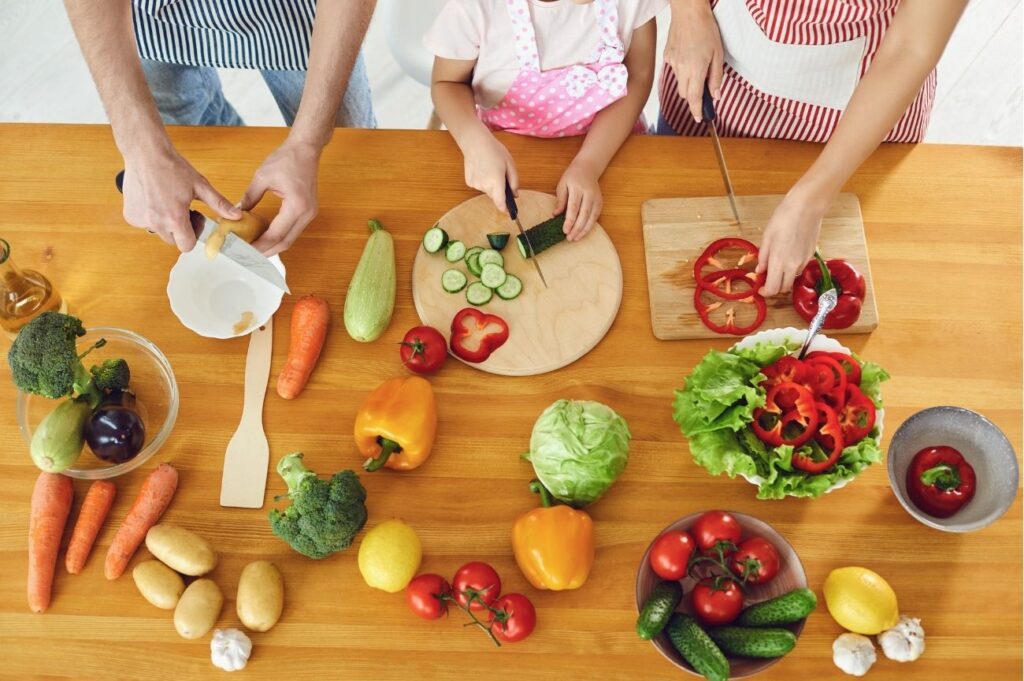
For guests who want to move beyond tasting, cooking classes offer a practical extension. Small groups gather in a kitchen to prepare classic dishes under the guidance of a local chef.
Sessions often include gumbo, jambalaya, or a simple sauce technique that participants can recreate at home. The class ends with a shared meal of the food just prepared.
These experiences last two to three hours and suit both beginners and more confident cooks. The private or small-group format allows questions and individual attention.
Participants leave with recipes, a clearer understanding of the flavour base of Louisiana cooking, and the satisfaction of having made something themselves.
Market Visits and Specialty Shops

Some tours incorporate stops at markets or specialty food shops. The French Market and smaller neighbourhood spots supply the city with seafood, produce, and prepared items.
Guides introduce vendors, explain seasonal availability, and offer tastes of items that might not appear on restaurant menus. Praline shops, spice merchants, and bakeries often form part of the route.
These stops add texture to the day. Guests see the ingredients before they become finished dishes and hear how local supply chains support the restaurants.
The combination of market energy and guided tasting creates a more complete picture of the city’s food system.
Private Tours for Custom Pacing
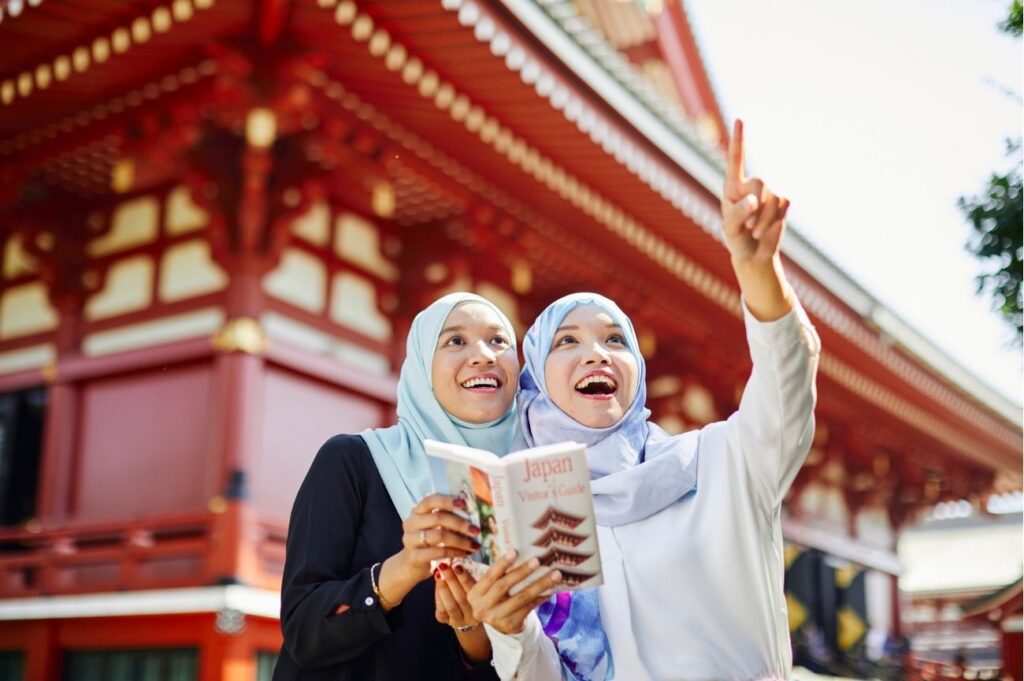
Private food tours give full control over the itinerary. Groups can request a focus on seafood, a heavier emphasis on history, or a route that stays entirely outside the busiest streets.
The guide can adjust timing if a particular stop proves especially interesting or if the group wants to sit longer at one table.
Private formats work well for families, couples, or friends with specific interests. They also make it easier to accommodate dietary preferences when notice is given in advance.
The conversation stays continuous, and the day feels less like a fixed schedule and more like a shared exploration.
Evening and Progressive Dinner Formats
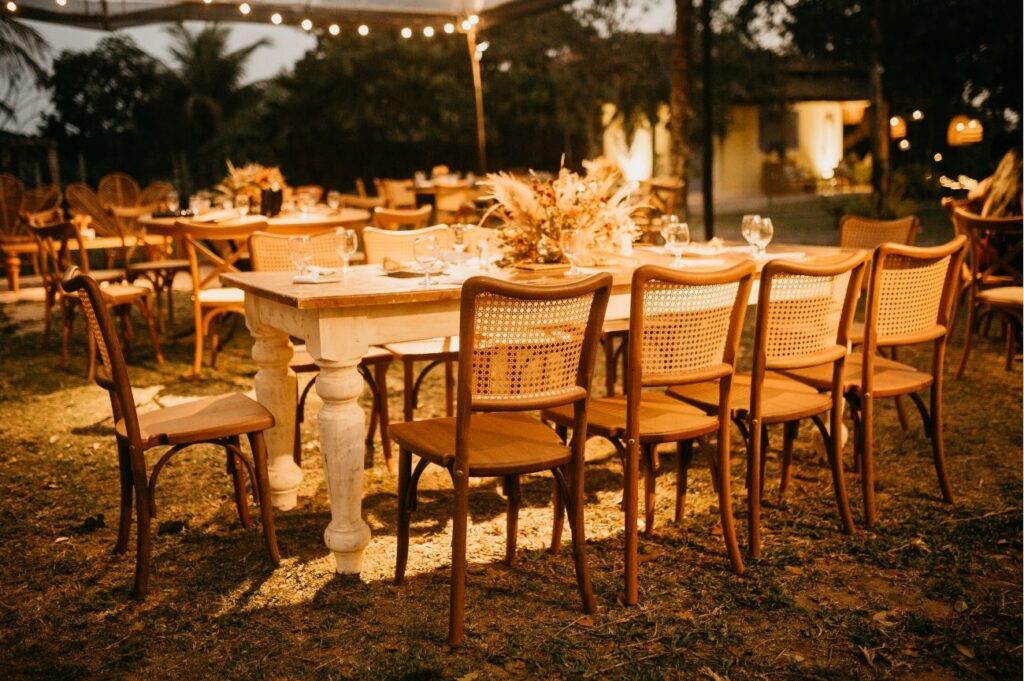
A smaller number of tours operate in the evening and move between restaurants for a progressive meal. Guests might begin with cocktails and appetizers at one address, continue to a main course at another, and finish with dessert or a final drink at a third. The format turns the evening into a structured yet relaxed sequence.
These outings suit travellers who prefer not to commit to a single long restaurant reservation. The guide handles the transitions and provides context at each stop.
The result is a full dinner spread across the neighbourhood rather than confined to one room.
Practical Notes for Enjoying the Day

Comfortable walking shoes, light clothing, and a willingness to eat steadily over several hours make the experience more pleasant. Most tours include enough food to replace a meal, so arriving hungry is useful.
Water between stops helps, especially in warmer weather. Private tours can often adjust for mobility needs or specific dietary requirements when informed ahead of time.
The strongest food tours in New Orleans leave guests both satisfied and curious. They introduce the major flavours, explain their origins, and point toward neighbourhoods and restaurants worth revisiting.
The combination of walking, tasting, and listening creates a practical and enjoyable introduction to the city’s culinary character.
Frequently Asked Question
What are fun things to do on New Orleans food tours besides eating?
Besides eating, fun things on New Orleans food tours are praline-making demos for $25, bottling your own hot sauce for $12, joining a second-line parade for free, taking a $35 cocktail shaking class, learning to shuck oysters for $15, and a behind-the-scenes kitchen tour for $0 with tip. My experience box above shows which is most fun.
How much do fun activities on New Orleans food tours cost?
Fun activities on New Orleans food tours cost $0 to $35 extra in 2026. Second-line dancing and kitchen tours are free, hot sauce bottling is $12, oyster shucking is $15, praline demo is $25, and cocktail class is $35. Tours themselves are $75-$99.
What is the difference between a French Quarter and a Garden District food tour?
French Quarter tours focus on classic Creole and Cajun dishes in a dense historic setting. Garden District tours pair food with residential architecture and often feel quieter and more spread out. Both deliver authentic local flavours in different atmospheres.
Can food tours be combined with cocktail tastings?
Yes. Several operators offer combined food and cocktail walks that alternate savory bites with classic New Orleans drinks. These tours usually run in the afternoon or early evening and keep pours moderate so the focus remains on tasting.
Is a private food tour worth the extra cost?
Private tours allow full customization of the route, pace, and emphasis. They work especially well for groups with specific interests, dietary needs, or a preference for more conversation and less rigid timing. For many travellers the added flexibility justifies the higher price.
Conclusion
Food tours in New Orleans turn the city’s layered culinary history into a direct and enjoyable experience. Walking through the French Quarter or Garden District, tasting gumbo and beignets, hearing the stories behind the dishes, and moving at a human pace create a practical introduction to the place.
Whether the format is a classic group walk, a private custom route, a cooking class, or an evening progressive meal, the combination of flavour, movement, and local knowledge leaves a lasting impression.
Guests who choose a tour that matches their preferred pace and interests usually finish the day both well fed and better oriented for the rest of their time in the city.
